We're new. The first 10 yards get 30 to 50% off. 10 of 10 founding spots left. See the founding offer
Why clean artificial turf at all?
Synthetic grass does not grow, but it still collects everything that lands on it. Left alone it traps odor, bacteria, and grit that grind the fibers down. Here is what a real clean protects, and why we do it in five deliberate steps.
-
Hygiene
Pet waste, pollen, and bacteria settle into the infill where a garden hose never reaches. A deep clean clears what builds up below the blades.
-
Odor control
Dog-urine smell lives in the infill, not on the surface. Enzyme treatment neutralizes the ammonia compounds at the source so it stops coming back.
-
Longevity
Matted, debris-clogged fibers wear out faster. Regular brushing and infill top-ups keep turf springy and add years before it needs replacing.
-
Safety
Kids and pets live on this surface. Pet-safe enzyme cleaning keeps it sanitary without the bleach or harsh chemicals that damage turf.
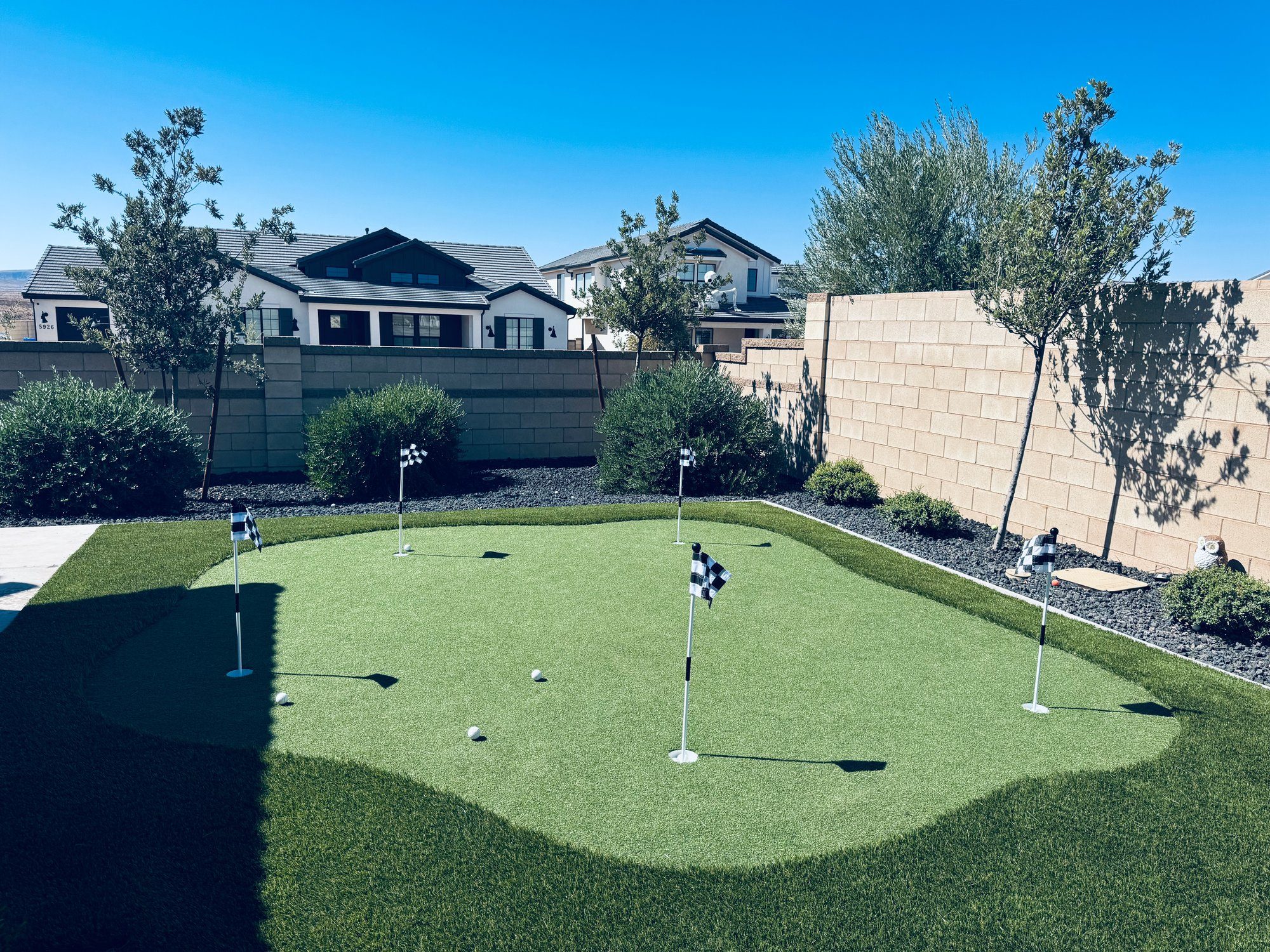
Debris and Pet Hair Removal
We start with a thorough debris pass: leaves, dirt, pollen, dust, and pet hair all need to come off the surface before chemistry touches the turf. Skipping this step means the enzyme solution binds to surface debris instead of penetrating into the infill where the actual problem lives.
Equipment: commercial backpack blower, fine mesh screens for collecting debris, and a vacuum attachment for stubborn hair embedded in the fibers. Most yards take 10 to 20 minutes for this step depending on surface area and contamination level.
Enzyme Deep Sanitize
Commercial-grade enzyme solution applied across the full turf surface with extra concentration on hotspot zones. The enzymes break down urea, uric acid, and ammonia compounds at the molecular level, which neutralizes the bacterial food source that creates pet odor. We give it time to soak in and work on the compounds while we handle the rest of the yard, then extract.
This is intentionally not a consumer-grade product. Retail "turf cleaner" sprays mask odor temporarily but don't actually neutralize the source compounds. The commercial enzyme chemistry we use comes from the same class of solutions used in professional pet boarding facilities.
Pet safety: the solution is biodegradable, non-toxic, and has no harmful residue. Pets and kids can be safely back on the turf after about 2 hours once the surface is dry.
Power Brush and Fiber Rebloom
Commercial-grade extraction and power-brooming equipment, operated at the correct angle and speed for artificial turf specifically. We brush against the grain of the wear pattern to lift fibers that have been flat for months. This is the step that visibly transforms the turf from "old-looking" to "new-looking" in a single pass.
Power brooming is also what redistributes the infill that has shifted over time. The broom pass moves the granules around, which evens out the depth across the turf and exposes the fibers to breathe.
Infill Top-Up
After the power brush, we measure infill depth in multiple zones with a probe. The target depth depends on the fiber height of your specific turf, but for most residential artificial grass it's 1.5 to 2 inches of infill at the base.
Where depth is low, we add silica sand (for no-pet homes) or ZeoFill (for pet households). ZeoFill is a volcanic mineral that absorbs ammonia compounds on contact, which dramatically reduces baseline odor between cleanings in pet households. Most yards need 1 to 4 bags of infill; some need none.
Inspection and Photo Report
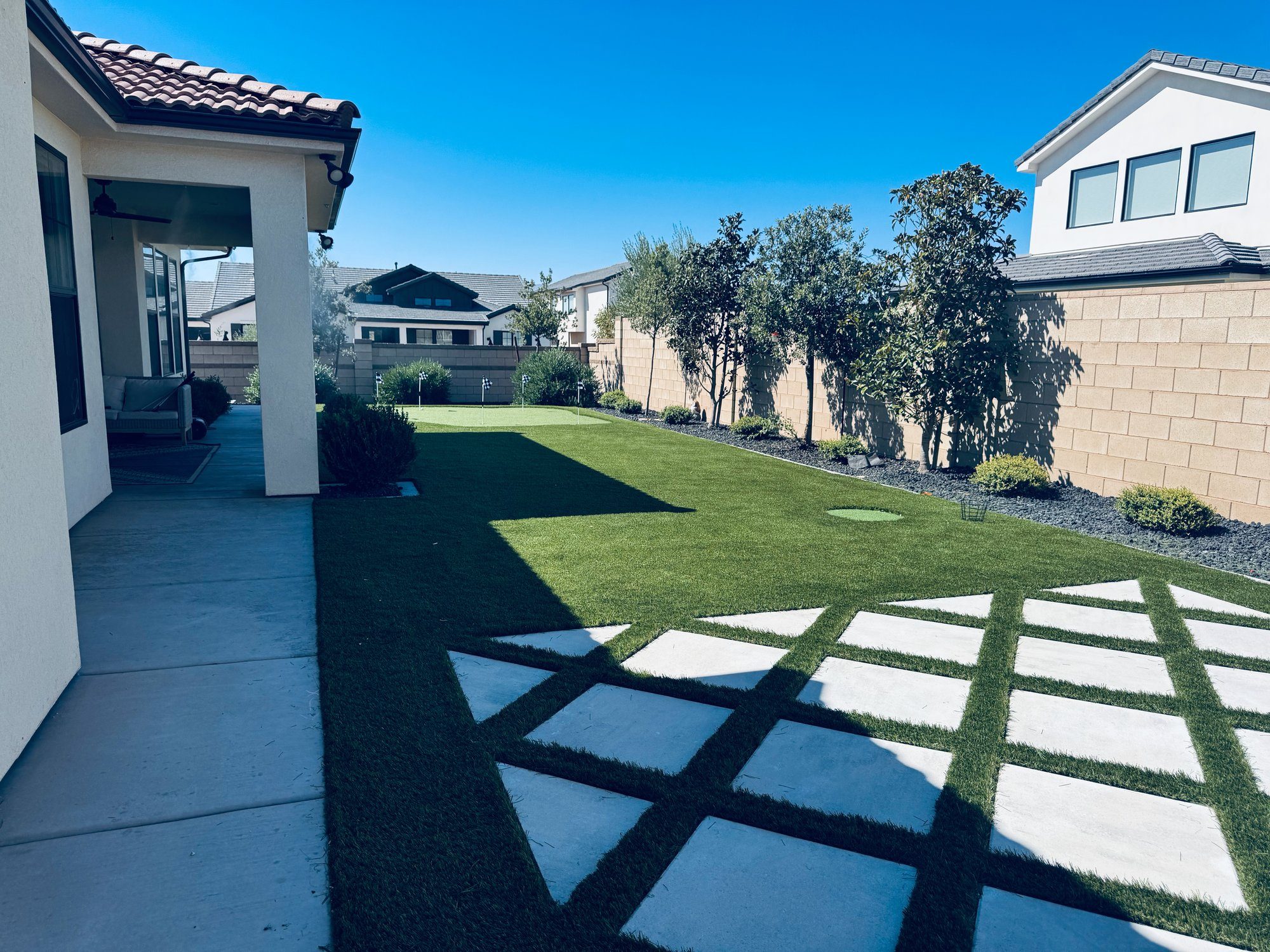
We do a final walk-through to confirm the turf is clean, the fibers are standing, the infill is level, and drainage is working. For drainage, we spot-check multiple zones with a quick water test to make sure nothing is pooling.
Before we leave, we take a full set of after photos. Within 24 hours, you get an email with before/after comparisons of the main areas, close-ups of any hotspot treatment, notes on infill depth, drainage status, and any recommendations for your next service. If you're on a recurring membership, you get this report after every visit.
Commercial Enzymes, Pet-Safe Solutions, No Harsh Surfactants
The enzyme solution we use is biodegradable, non-toxic to pets and children, and comes from the same class of commercial-grade products used in professional pet care facilities. We do not use bleach, vinegar, oxygen-based cleaners, or harsh surfactants because every one of those either damages turf fibers or fails to neutralize urine compounds at the molecular level.
Process FAQ
What People Ask About How We Work
- How long does the full 5-step process take?
- 60 to 120 minutes for most residential yards. We can quote time more precisely once we know square footage and condition. Commercial properties take longer and are scheduled accordingly.
- Do I need to move furniture or planters before you arrive?
- It helps if you move lightweight items off the turf, but we can work around most fixed features. Heavier items like sectional furniture or large pots, let us know in advance and we can bring extra hands.
- What if it rains on the day we're scheduled?
- We reschedule. Rain dilutes the enzyme sanitize before it has time to work, so we only clean on dry days. We monitor the forecast 24 hours before every visit and reach out to rebook if needed, at no cost to you.
- What kind of equipment do you use?
- We use commercial-grade extraction and power-brooming equipment. The extraction delivers the vacuum power and hot water the enzyme sanitize needs, and we can adapt our setup for smaller jobs or rooftop terraces where access is limited.
- What does the photo report include?
- Before and after photos of the main areas, close-ups of any hotspot treatment, a note on infill depth, drainage check results, and any recommendations for next service. Emailed within 24 hours of the visit.
Ready to Make Your Turf Fresh Again?
See your exact price with the instant estimate, then pick a day. Your first clean can be on the calendar within 48 hours.